
Connectors
Connectors are software components or modules that facilitate communication and interaction between various systems within an organisation’s IT infrastructure. These systems can include applications, directories, databases, cloud services, and other identity sources. The primary purpose of connectors is to enable seamless integration and data synchronisation between various identity management components.
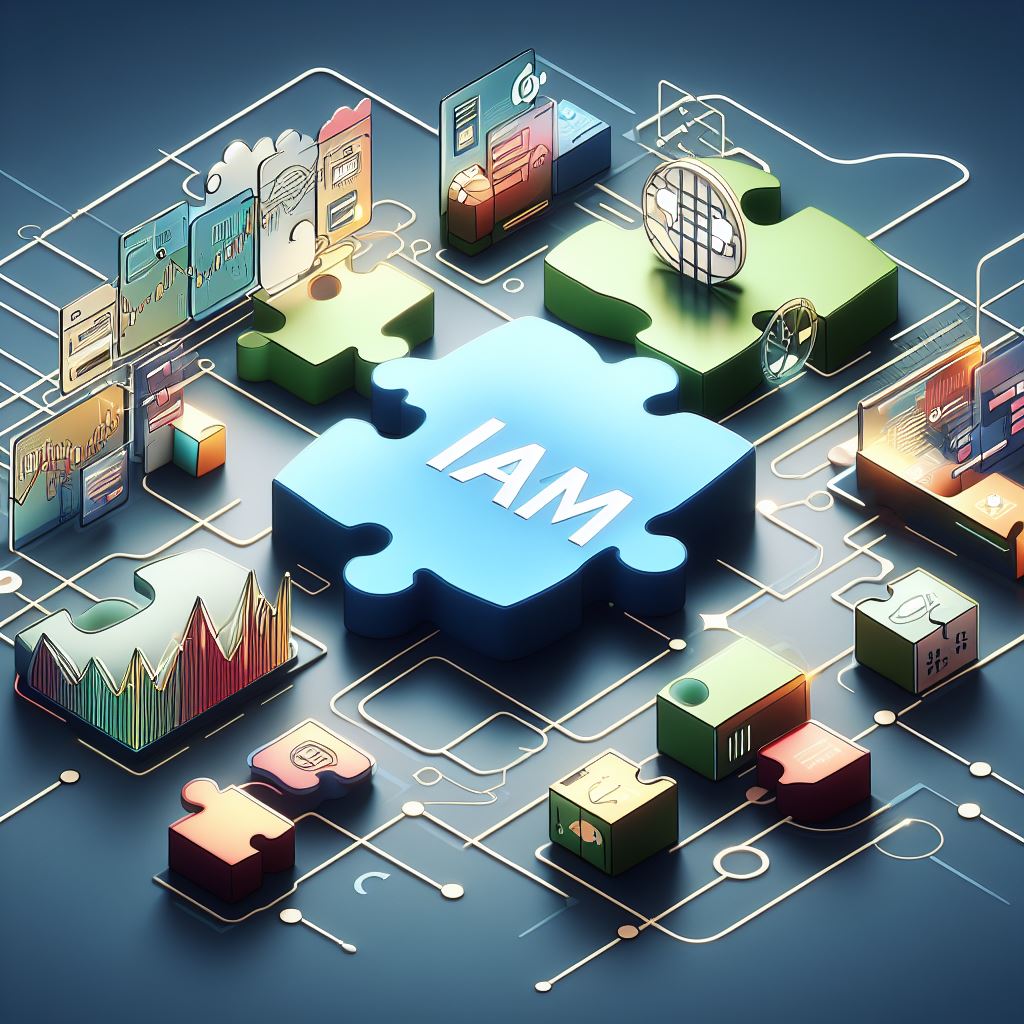
Reasons to implement Connectors:

Centralised Identity Management
Many organisations have multiple systems and applications, each with its own user database and authentication mechanism. Connectors enable these disparate systems to connect to a centralised identity management solution, creating a single source of truth for user identities and credentials. This centralised approach improves security, simplifies administration, and provides a better user experience.

User Provision and Disposal
Connectors play a crucial role in automating user provisioning and offloading processes. When a new employee joins the organisation, Connectors can automatically create user accounts and grant them the appropriate access rights across various systems. Similarly, when an employee leaves, Connectors can disable or delete their accounts across all connected systems.

User Data Synchronization
Identity connectors ensure that user data, such as user profiles, roles, and permissions, remains consistent and up-to-date across all integrated systems. This synchronisation helps prevent discrepancies in user access rights and prevents potential security vulnerabilities that can arise from outdated information.

Single Sign-On (SSO) and Federation
Connectors are essential components for enabling SSO and federation capabilities. SSO allows users to access multiple applications and systems with a single set of credentials, streamlining the authentication process and reducing the need for multiple passwords. Federation extends this concept beyond the organisation’s boundaries, enabling users to access services and resources from external identity providers.
Enhanced Security and Compliance
By centralising identity management and enforcing uniform access controls across systems, connectors enhance security and help organisations meet regulatory requirements. They ensure consistent enforcement of policies, access rules, and multi-factor authentication across all connected systems.

Reduced IT complexity and costs
Connectors reduce the complexity of managing user identities in a diverse IT environment. They streamline user lifecycle management processes, leading to operational efficiency and cost savings by minimizing manual intervention and errors.

Integrating with Cloud Services
As organisations adopt cloud-based services and applications, connectors become essential for integrating on-premises identity management systems with cloud-based identity providers, enabling secure and seamless access to cloud resources.